
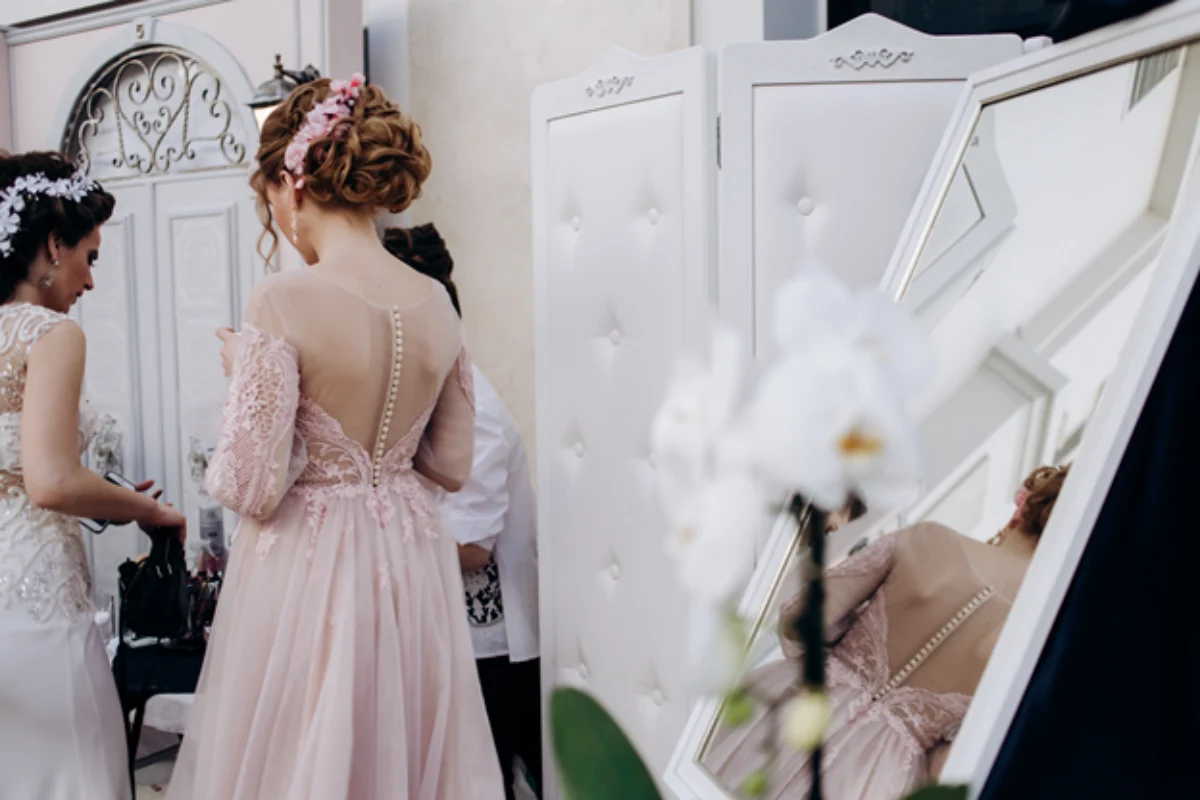
A wedding is made up of many small details, and the most memorable celebrations often feel cohesive from beginning to end. From the bridal outfit and hairstyle to makeup, jewelry, flowers, and stationery, each element contributes to the overall atmosphere. While invitations are usually considered a practical part of wedding planning, they can also introduce the visual style that guests will experience on the big day.
Creating a connection between your beauty, fashion, and invitation choices does not mean that everything needs to look identical. Instead, a few carefully selected colors, textures, and design details can create a polished and coordinated appearance.
Table of Contents
Begin With Your Wedding Aesthetic
Before choosing individual details, decide what kind of atmosphere you want your wedding to have. Some couples prefer a classic and timeless celebration, while others may choose a modern, romantic, glamorous, or relaxed style.
This overall direction can influence everything from the wedding dress to the invitation. A sophisticated evening wedding might use elegant typography and neutral shades, while a garden celebration could incorporate soft colors and botanical details.
Having a clear aesthetic also makes fashion and beauty decisions easier. Instead of selecting each element separately, you can ask whether a hairstyle, accessory, makeup look, or invitation design supports the atmosphere you are trying to create.
Coordinate Your Color Palette
Color is one of the simplest ways to connect different parts of a wedding. Look at the shades appearing in the venue, flowers, bridesmaid outfits, jewelry, and other accessories before deciding on invitation colors.
For example, a celebration featuring champagne and ivory details could use warm neutral tones in its stationery. A wedding with blush flowers and pastel outfits could carry those softer shades into the invitation design.
You do not need to use every wedding color in the invitation. One or two accent shades may be enough to create a visual connection while keeping the design elegant and easy to read.
Let Your Bridal Look Provide Inspiration
The bridal look can be a useful starting point when developing the visual style of wedding stationery. Consider the details that make the outfit distinctive. Is the dress minimalist or heavily embellished? Are the accessories delicate or dramatic? Does the hairstyle have soft waves, a sleek finish, or an intricate updo?
These characteristics can inspire subtle invitation details. A bride wearing delicate pearl accessories might choose understated decorative elements, while a modern minimalist bridal look could pair well with a clean invitation layout and simple typography.
The goal is not to reproduce the bridal outfit on the invitation. Instead, think about the mood and visual qualities that the outfit communicates.
Think About Hair and Makeup
Hair and makeup are also important parts of the wedding aesthetic. A soft and romantic makeup look combined with loose waves may suggest a different atmosphere from a sleek hairstyle paired with bold makeup.
When these choices are considered alongside the stationery, the overall wedding style can feel more intentional. Even small similarities, such as soft colors, clean lines, or elegant details, can help create continuity.
This approach can also be useful for brides who want their wedding photographs to have a consistent visual feel. When the clothing, beauty look, flowers, venue, and stationery complement one another, the details appear more connected in photographs.
Choose Invitation Typography Carefully
Typography can have a surprisingly strong influence on the personality of an invitation. Script fonts can create a romantic or traditional feeling, while clean sans-serif fonts can make a design feel modern.
However, decorative typography should not make important information difficult to read. The couple’s names and event title can use a more expressive style, while practical information such as the date, location, and RSVP instructions can use a simpler font.
The invitation should ultimately be beautiful as well as functional. Guests should be able to understand the important details quickly.
Match the Invitation to the Dress Code
An invitation can also give guests subtle clues about the formality of the celebration. A formal evening wedding may call for an elegant and refined design, while a casual outdoor ceremony can have a lighter and more relaxed appearance.
This connection is useful because guests often look at the invitation when deciding what to wear. The design, wording, and overall presentation can help establish expectations before they arrive at the venue.
For a formal event, structured layouts and sophisticated details can communicate the tone. For a beach or garden wedding, lighter colors and relaxed design elements may feel more appropriate.
Explore Digital Invitation Design
Digital design tools can make it easier to experiment with different wedding invitation styles before deciding on a final version. Couples can test typography, colors, layouts, and decorative elements to see which combinations complement their wedding aesthetic.
This flexibility is particularly helpful when fashion and beauty choices are already established. A bride can use her dress, accessories, flowers, or makeup palette as inspiration and experiment with invitation designs that reflect those elements.
Digital invitations can also be convenient when information needs to be shared quickly with guests or updated during the planning process.
Keep the Overall Look Balanced
Although coordination is useful, every wedding detail does not need to match perfectly. Too much repetition can make a celebration feel overly designed. Instead, choose a few connecting elements and allow the different parts of the wedding to have their own character.
For example, the invitation might share the same accent color as the bridesmaids’ outfits without copying the dress style. The floral design might echo the bouquet without using the same arrangement. Small connections often feel more sophisticated than complete visual duplication.
Create a Beautiful First Impression
A wedding invitation is often one of the first visual introductions guests receive to the celebration. When it complements the fashion, beauty, and overall atmosphere of the wedding, it can create an appealing first impression long before the event begins.
The most successful wedding style is not necessarily the most elaborate. A thoughtful combination of colors, typography, fashion, beauty, and personal details can create a celebration that feels authentic to the couple.
By considering the wedding aesthetic as a complete picture, couples can make better decisions about everything from their beauty look and accessories to their stationery. The result is a more cohesive experience in which even the smallest details feel connected to the occasion.